Your How to lay tongue and groove flooring images are ready. How to lay tongue and groove flooring are a topic that is being searched for and liked by netizens now. You can Download the How to lay tongue and groove flooring files here. Find and Download all free images.
If you’re looking for how to lay tongue and groove flooring images information related to the how to lay tongue and groove flooring topic, you have visit the right blog. Our website frequently gives you hints for refferencing the maximum quality video and picture content, please kindly search and locate more enlightening video articles and graphics that fit your interests.
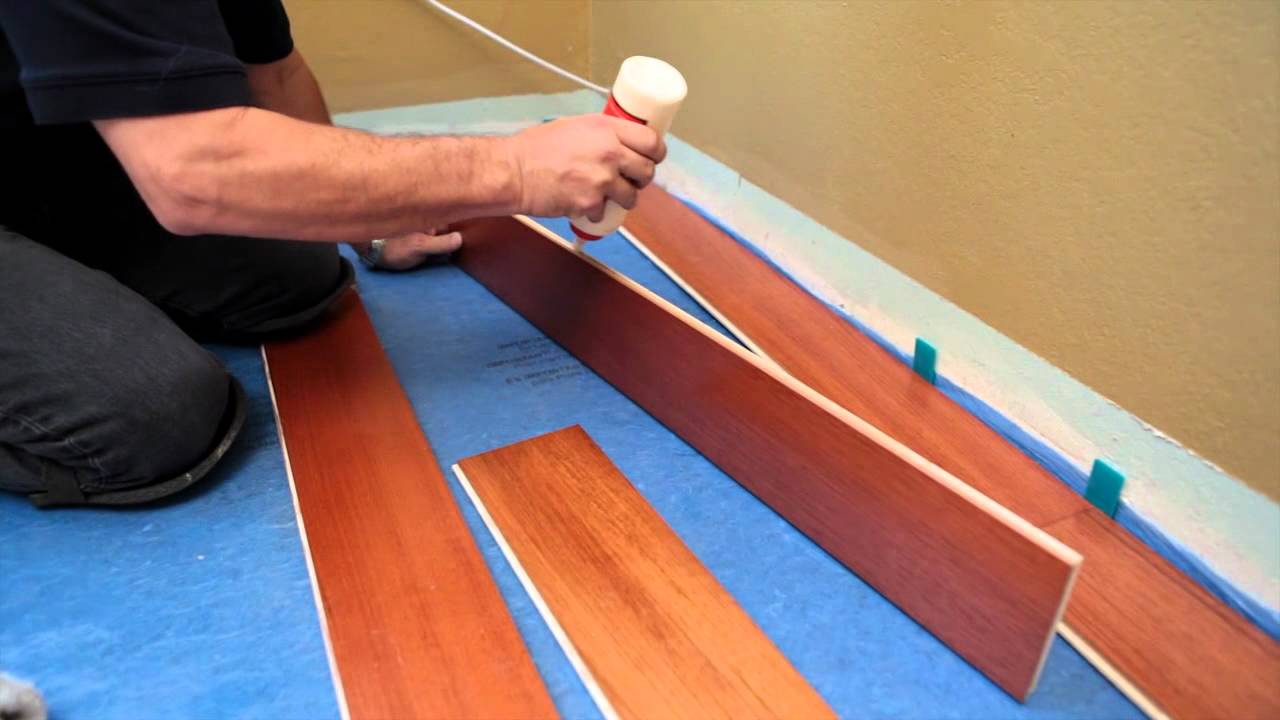
How To Lay Tongue And Groove Flooring. At first lay the planks facing down across the porch. Glued down tongue and groove style is the original install type that was used before the glueless click lock system was invented. If necessary you can apply a layer of vapor barrier to the floor and then you need to roll out your underlayment. Install the second plank next to the first by aligning the tongue into the groove and press the plank down to snap.
 Attic Flooring Attic Flooring Diy Attic Flooring Flooring From pinterest.com
If necessary you can apply a layer of vapor barrier to the floor and then you need to roll out your underlayment. Set the nails evenly 12- to 1-inch from each boards edges to about 18 inch below the surface. Lay down your second board against the wallremembering spacers and fit it into the tongue and groove. The tongue and groove TG of the sheets should be driven snug. You can insert small wedges between the board and the wall for. Continue to lay the second row as outlined above.
Install the second plank next to the first by aligning the tongue into the groove and press the plank down to snap.
Lay a piece of flooring on the floor so the outside of the tongue lines up with the chalk line. Step 2 - Begin Laying The Boards. At first lay the planks facing down across the porch. Be sure that your first board is placed with the tongue edging pointing into the room not against the wall. Place shims or spacers in the gap between the flooring and the walls to hold it firmly in place. Place the underlayment on top of the existing floor or the.
 Source: hu.pinterest.com
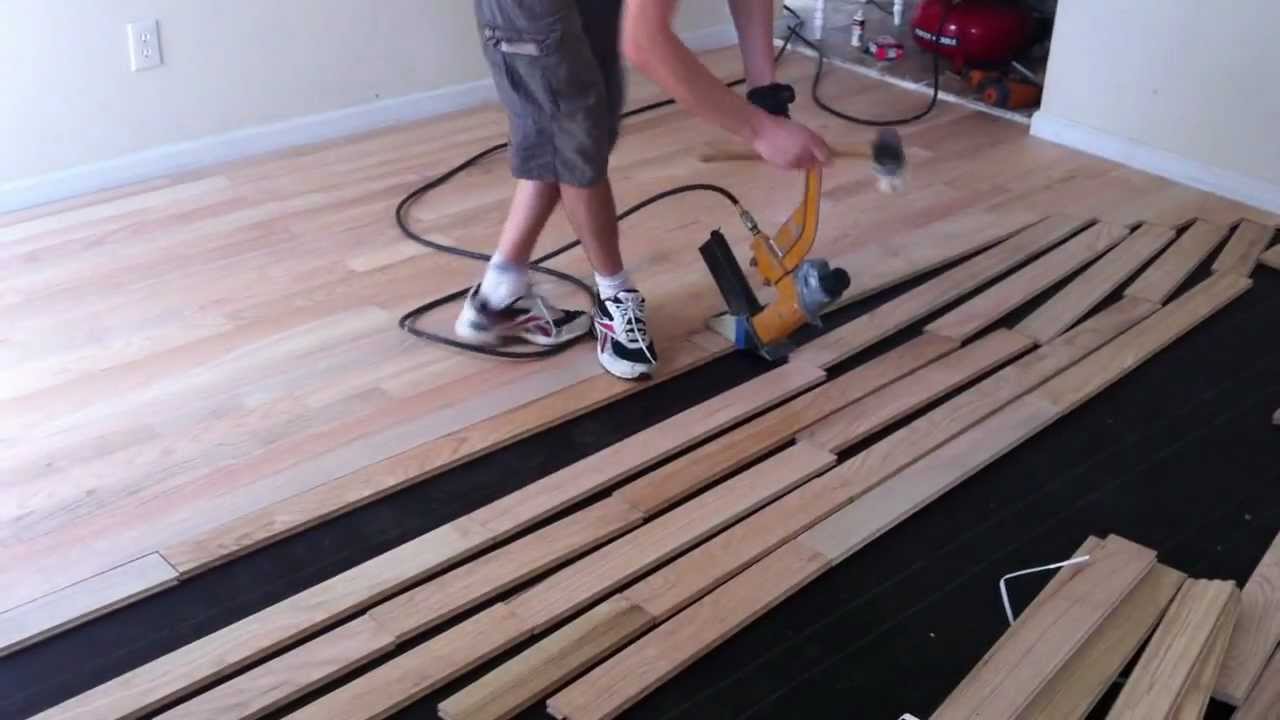
Here are some tips for flooring layout thatll get you a floor you can be proud of. Set two or three nails across each plank along every flooring joist. The traditional method of nailing hardwood tongue and groove flooring is to drive nails at an angle through the tongue of a plank and into the subfloor below but this is time-consuming and can. Set the nails evenly 12- to 1-inch from each boards edges to about 18 inch below the surface. Start on the wall opposite the door and lay down your first board groove side facing the wall.
 Source: ar.pinterest.com
Step 1- Underlayment. You can then start by installing the first board. Determine which direction you want the flooring to run. When you do this you will want to make sure that you allow approximately 14 inch for an expansion gap between the board and the wall. Step 2 - Begin Laying The Boards.
 Source: pinterest.com
Lay a piece of flooring on the floor so the outside of the tongue lines up with the chalk line. Determine which direction you want the flooring to run. The tongue and groove TG of the sheets should be driven snug. Lay down your second board against the wallremembering spacers and fit it into the tongue and groove. Glued down tongue and groove style is the original install type that was used before the glueless click lock system was invented.
 Source: id.pinterest.com
Begin the first row of flooring by placing the planks with the tongue side facing the wall. Here are some tips for flooring layout thatll get you a floor you can be proud of. You can then start by installing the first board. The first run is set to a chalk line but the rows after that can start to meander after a few runs are down and to correct it with a tighter fit or if need be a loose fit to correct the run so it remains true. If necessary you can apply a layer of vapor barrier to the floor and then you need to roll out your underlayment.
 Source: pinterest.com
Remove any baseboards as the flooring needs to be installed close to the wall. Determine which direction you want the flooring to run. Set the nails evenly 12- to 1-inch from each boards edges to about 18 inch below the surface. Step 1- Underlayment. Make sure to place spacers between the wall and the board.
 Source: pinterest.com
Then paint the backs and sidings of the planks using a primer and a brush. Place the underlayment on top of the existing floor or the. It always is whether youre talking about your life or a carpentry project. If necessary you can apply a layer of vapor barrier to the floor and then you need to roll out your underlayment. Ensure that only a thin layer of paint is applied so that the paint does not interfere when the connections are made.
 Source: pinterest.com
Then lower it into position. Place an order online with our everyday low prices. Place shims or spacers in the gap between the flooring and the walls to hold it firmly in place. The first run is set to a chalk line but the rows after that can start to meander after a few runs are down and to correct it with a tighter fit or if need be a loose fit to correct the run so it remains true. The traditional method of nailing hardwood tongue and groove flooring is to drive nails at an angle through the tongue of a plank and into the subfloor below but this is time-consuming and can.
 Source: pinterest.com
Floor planks should be installed perpendicular to the joists so determine the joist direction before beginning installation. At first lay the planks facing down across the porch. Floor planks should be installed perpendicular to the joists so determine the joist direction before beginning installation. Set the nails evenly 12- to 1-inch from each boards edges to about 18 inch below the surface. Geekstreet diy flooringThis is a video showing how to install tongue and groove wood flooring.
 Source: pinterest.com
Tongue and groove planking. Use a finish nailer to nail through the face of the board along the groove side of the board. Install the second plank next to the first by aligning the tongue into the groove and press the plank down to snap. Place an order online with our everyday low prices. Step 1- Underlayment.
 Source: pinterest.com
When you do this you will want to make sure that you allow approximately 14 inch for an expansion gap between the board and the wall. Spread glue on the other edge of. Use a finish nailer to nail through the face of the board along the groove side of the board. Put a spacer into position at the start of the second row then offer the new board at an angle so the tongue section of the second board fits into the groove of the first board. Make sure to place spacers between the wall and the board.
 Source: pinterest.com
Install the second plank next to the first by aligning the tongue into the groove and press the plank down to snap. Flooring is usually installed so that it runs the length of the room for aesthetic. Put a spacer into position at the start of the second row then offer the new board at an angle so the tongue section of the second board fits into the groove of the first board. The traditional method of nailing hardwood tongue and groove flooring is to drive nails at an angle through the tongue of a plank and into the subfloor below but this is time-consuming and can. These prevent warping when the laminate expands and contracts due to changes in humidity.
 Source: pinterest.com
Install the second plank next to the first by aligning the tongue into the groove and press the plank down to snap. Set two or three nails across each plank along every flooring joist. When you do this you will want to make sure that you allow approximately 14 inch for an expansion gap between the board and the wall. Glued down tongue and groove style is the original install type that was used before the glueless click lock system was invented. Continue to lay the second row as outlined above.
 Source: pinterest.com
Layout is where its at. Do not try to drive them tight although in some cases it might be needed in order to keep a straight run. Flooring is usually installed so that it runs the length of the room for aesthetic. Remove any baseboards as the flooring needs to be installed close to the wall. At first lay the planks facing down across the porch.
 Source: nz.pinterest.com
The tongue and groove TG of the sheets should be driven snug. Set two or three nails across each plank along every flooring joist. Lay it in one of the corners of the room. Place the underlayment on top of the existing floor or the. Here are some tips for flooring layout thatll get you a floor you can be proud of.
 Source: pinterest.com
Spread glue on the other edge of. Flooring is usually installed so that it runs the length of the room for aesthetic. Start on the wall opposite the door and lay down your first board groove side facing the wall. Use a finish nailer to nail through the face of the board along the groove side of the board. Layout is where its at.
 Source: pinterest.com
Continue to lay the second row as outlined above. Start on the wall opposite the door and lay down your first board groove side facing the wall. The traditional method of nailing hardwood tongue and groove flooring is to drive nails at an angle through the tongue of a plank and into the subfloor below but this is time-consuming and can. Lay down your second board against the wallremembering spacers and fit it into the tongue and groove. These prevent warping when the laminate expands and contracts due to changes in humidity.
 Source: pinterest.com
Start on the wall opposite the door and lay down your first board groove side facing the wall. Use a finish nailer to nail through the face of the board along the groove side of the board. Be sure that your first board is placed with the tongue edging pointing into the room not against the wall. Continue to lay the second row as outlined above. The first run is set to a chalk line but the rows after that can start to meander after a few runs are down and to correct it with a tighter fit or if need be a loose fit to correct the run so it remains true.
 Source: gr.pinterest.com
Place shims or spacers in the gap between the flooring and the walls to hold it firmly in place. You can then start by installing the first board. Remove any baseboards as the flooring needs to be installed close to the wall. Glued down tongue and groove style is the original install type that was used before the glueless click lock system was invented. Start on the wall opposite the door and lay down your first board groove side facing the wall.
This site is an open community for users to do submittion their favorite wallpapers on the internet, all images or pictures in this website are for personal wallpaper use only, it is stricly prohibited to use this wallpaper for commercial purposes, if you are the author and find this image is shared without your permission, please kindly raise a DMCA report to Us.
If you find this site convienient, please support us by sharing this posts to your favorite social media accounts like Facebook, Instagram and so on or you can also bookmark this blog page with the title how to lay tongue and groove flooring by using Ctrl + D for devices a laptop with a Windows operating system or Command + D for laptops with an Apple operating system. If you use a smartphone, you can also use the drawer menu of the browser you are using. Whether it’s a Windows, Mac, iOS or Android operating system, you will still be able to bookmark this website.


